713-442-0427
Find A Doctor
Near You
Search by Zip Code, Specialty, or Language

Thyroid Symptoms in Women That Are Easy To Miss
You’ve been feeling off for a while. You’re more tired than usual. Your weight has shifted. Maybe your heart races for no clear reason.
Nothing dramatic, just enough to wonder if it’s stress, hormones, or getting older.
Sometimes it is — but for many women, subtle thyroid changes are part of the picture, and they’re easy to miss.
Why thyroid symptoms are often overlooked
Thyroid conditions are more common in women, yet symptoms don’t always announce themselves clearly. They often appear during times when changes already feel expected: monthly cycles, pregnancy, postpartum recovery, or midlife transitions.
Perimenopause adds another layer. Sleep disruption, temperature changes, and energy shifts may already be in the mix. When thyroid symptoms overlap, it can be hard to tell what deserves a closer look.
The thyroid’s quiet influence
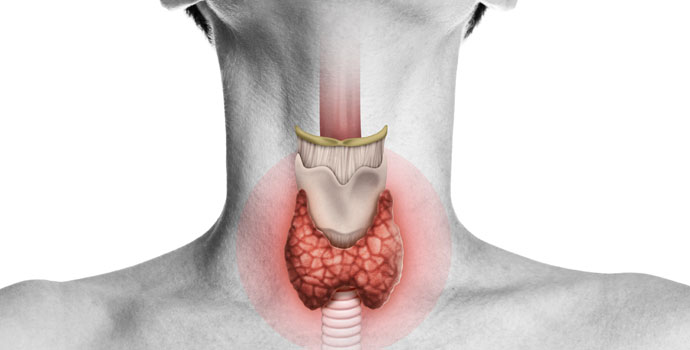
The thyroid is a small gland in the neck that helps regulate how your body uses energy. Thyroid hormones affect:
- Heart rate
- Digestion and metabolism
- Body temperature
- Energy levels
- Menstrual cycles
When levels shift, symptoms tend to build slowly. Many women sense that something isn’t quite right long before they can point to one clear issue.
Patterns that matter
Thyroid conditions often push the body in one of two directions:
When things feel like they’re slowing down (underactive thyroid)
- Fatigue that doesn’t match your activity level
- Weight gain that’s hard to explain
- Persistent constipation
- Feeling cold when others aren’t
- Heavier or noticeably different periods
When things feel like they’re speeding up (overactive thyroid)
- Fast or irregular heartbeat
- Feeling hot more easily
- Shakiness or tremor
- Unintentional weight loss
- Feeling anxious, restless, or unusually wired
It also helps to notice what doesn’t add up. If your routine hasn’t changed but your body has, that’s worth paying attention to.
Why timing matters for women
Certain phases of life make thyroid health especially relevant:
- Reproductive years: Thyroid changes can affect cycle regularity and ovulation.
- Pregnancy and postpartum: Thyroid demands increase during pregnancy, and some women develop postpartum thyroiditis after delivery.
- Perimenopause and menopause: Thyroid conditions become more common with age and can mimic menopausal symptoms.
What evaluation and treatment look like
Thyroid conditions can’t be diagnosed by symptoms alone. Evaluations usually include a review of symptoms, a physical exam, and blood tests. Additional testing may be recommended if nodules or enlargement are found.
Treatment depends on the cause. Underactive thyroid is often treated with hormone replacement. Overactive thyroid may require medication or other therapies. Nodules are managed individually, depending on appearance and risk.
When to check in
Consider scheduling a visit with your primary care provider or endocrinologist if:
- Symptoms last more than a few weeks
- Fatigue interferes with daily life
- Weight, heart rate, or temperature changes don’t make sense
- Menstrual changes occur alongside other symptoms
- You’re pregnant or recently had a baby and symptoms feel new
If something doesn’t feel right, reaching out to your doctor can help you get clarity and peace of mind.
Schedule Online
Access MyKelseyOnline
Call and Schedule 24/7