Understanding Why Acne Occurs
Acne happens when pores in your skin get clogged. Normally, your skin produces oil (called sebum) to keep it healthy, and dead skin cells rise to the surface and fall away. But sometimes, oil, dead skin cells, and even tiny hairs get stuck together inside the pore. This blockage traps bacteria, which can lead to redness, swelling, and bumps like blackheads, whiteheads, pimples, or deeper, painful lumps under the skin.
Several factors can increase the likelihood of developing acne, including:
- Fluctuating hormone levels
- Chronic stress
- Certain medications
- Diet and lifestyle factors
- Genetics
Because acne rarely has just one cause, finding what works often means creating a plan that is personal and flexible, one that can adapt as your skin and needs change.
Acne Affects Men and Women Differently
Both men and women experience acne, but the patterns and underlying causes often differ.
In women, hormonal fluctuations frequently play a key role, particularly around menstruation, pregnancy, or menopause. Conditions such as polycystic ovary syndrome (PCOS) can also lead to increased oil production and breakouts along the lower face, jawline, and neck.
In men, acne is often more persistent and may involve deeper, more inflammatory lesions. Testosterone stimulates the oil glands, increasing sebum production and the likelihood of clogged pores. Men also commonly develop acne on the back, chest, and shoulders.
Developing a Personal Treatment Plan
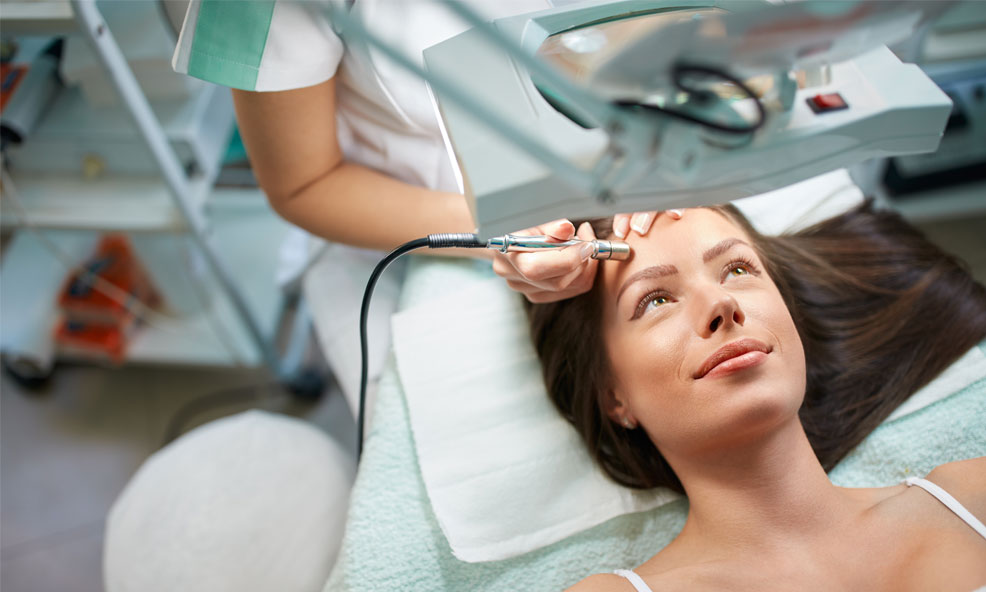
At your initial dermatology visit, your provider will focus on identifying the type of acne you have and the factors contributing to it. This includes a skin evaluation, a discussion of your acne history, and a review of your current skincare routine.
Initial treatments may involve prescription-strength topical medications, such as:
- Retinoids to encourage cell turnover and prevent clogged pores
- Benzoyl peroxide to kill acne-causing bacteria and reduce inflammation
- Topical antibiotics to help calm active breakouts
For moderate to severe acne, oral medications might be recommended, including:
- Antibiotics to reduce inflammation
- Hormonal therapies like birth control pills or spironolactone for hormone-related acne
Exploring Advanced Treatment Options
If your acne continues despite conventional treatments or if scarring has developed, more advanced therapies may offer additional relief.
Fraxel® laser treatment uses fractional laser energy to stimulate collagen production and improve skin texture, particularly in areas with scarring.
Vbeam® laser therapy targets redness and inflammation, making it useful for treating post-acne marks and persistent irritation.
Chemical peels apply a controlled acid solution to exfoliate damaged outer skin layers, unclog pores, and reduce pigmentation from past breakouts.
These procedures are performed in a clinical setting and selected based on your skin type, acne severity, and treatment history.

Coordinated Care at Kelsey-Seybold
Acne is often connected to broader health issues, which is why a coordinated approach to care is so valuable. At Kelsey-Seybold, your dermatologist works closely with your primary care provider and, when needed, other specialists. This teamwork ensures that any underlying causes, such as hormone imbalances or medication-related side effects, are thoroughly addressed as part of your care plan.
This collaborative model provides a more complete understanding of your skin’s needs and leads to more effective, longer-lasting results.
Taking the First Step
Managing acne can feel overwhelming, but the first step is simple: schedule an appointment with a board-certified dermatologist. Together, you can build a personalized treatment plan and gain a clearer understanding of your skin’s specific needs and the solutions available to support it.
If you’re ready to explore treatment or want to learn more about your options, schedule a visit with a dermatologist at Kelsey-Seybold Clinic.
Three easy ways to schedule an appointment or consultation with a dermatologist:

 713-442-0427