
Treating Perimenopause and Menopause
No matter where you are in your menopause journey, we’ll help you take the next step with confidence, and help you feel like yourself again.
Guidance, Support, and Treatment for Menopause
From managing symptoms to improving long-term health, our specialists provide care tailored to your needs.
713-442-MENO (6366)
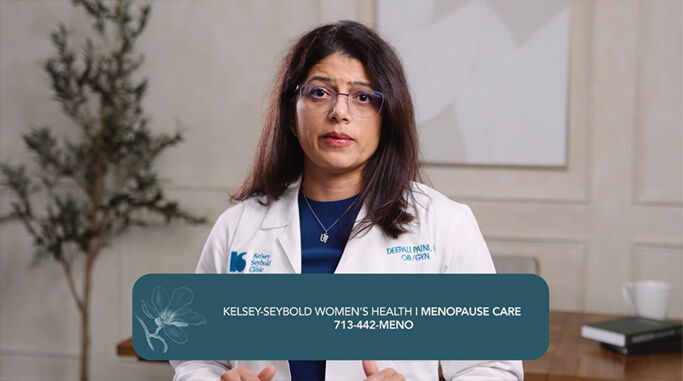
Hear from OBGYN Associate Chief Dr. Deepali Patni, about how our menopause care program can support women on their menopause journey. You don’t have to wait to feel like yourself again, call us today to talk about the options available.
Perimenopause and menopause can bring hot flashes and night sweats, broken sleep, anxiety and mood swings, brain fog and forgetfulness, weight gain around the middle, joint aches, vaginal dryness, painful sex and a libido that has gone quiet. These changes are real, they are common, and they are treatable. Whether you are just starting to notice symptoms, in the middle of the transition, or postmenopausal and still struggling, you do not have to navigate this alone. Wherever you are in your menopause journey, we’ll help you take the next step with confidence and feel like yourself again.
No matter where you are in your menopause journey, we’ll help you take the next step with confidence, and help you feel like yourself again.
Perimenopause is the transitional stage leading up to menopause, when estrogen and progesterone levels begin to fluctuate and symptoms may first appear. It often begins in your 40s, sometimes in your late 30s, and can last four to eight years or longer. Many women are surprised to learn that some of the symptoms commonly associated with menopause can actually begin during perimenopause.
During this time, you may still have periods, although they may become irregular, lighter or heavier, or occur closer together or farther apart. Common symptoms can include hot flashes and night sweats, difficulty sleeping, anxiety, irritability and mood changes, brain fog and forgetfulness, fatigue, weight changes, breast tenderness, migraines, and changes in libido or vaginal comfort.
You don't have to wait until menopause to seek care. If symptoms are affecting how you feel or function day to day, talk with a provider about what you're experiencing and treatment options that may help.
Menopause marks the end of your menstrual cycles and is officially reached after 12 consecutive months without a menstrual period. For many women, it occurs around age 51.
Although menopause itself is a milestone, the symptoms and changes associated with it don't necessarily begin or end on that date. Hot flashes, night sweats, sleep problems, brain fog, mood changes, vaginal dryness, changes in libido, weight changes, and other concerns may continue or change over time.
This can also be an important time to take a more comprehensive look at your health and discuss how changing hormone levels may affect your symptoms and well-being. Whether your symptoms are new, ongoing, or simply don't feel like you, you don't have to navigate menopause on your own. A provider can help you understand what's happening and discuss treatment and lifestyle options based on your symptoms, health history, and goals.
Postmenopause begins after you've reached menopause and continues for the rest of your life. While some symptoms may improve with time, others can continue for years or new concerns may emerge.
Hot flashes, sleep disruption, changes in libido, and vaginal or urinary symptoms can persist, while lower estrogen levels are also associated with important longer-term health considerations, including bone loss and osteoporosis, cardiovascular health, and genitourinary symptoms such as vaginal dryness and recurrent urinary tract infections.
Care doesn't stop at menopause, and neither should the conversation about your health. Ongoing care can focus on helping you feel your best today while supporting your bone, heart, sexual, urinary, and overall health for the years ahead.
As part of Women’s Health at Kelsey-Seybold, we offer a comprehensive approach to menopause care with menopause-certified practitioners, OB/GYNs, primary care physicians and other specialists experienced in women’s hormonal health – so your symptoms are taken seriously and evaluated, not dismissed.
Our menopause-certified OB/GYN providers care for women with more complex or persistent symptoms, hormone therapy questions, early or surgical menopause, or health histories that call for added expertise. Visits are scheduled through traditional appointments and billed through insurance.
Best for women who:
Many perimenopause and menopause concerns can be effectively managed during routine OB/GYN visits. Your provider can evaluate your symptoms, discuss hormonal and non-hormonal treatment options, and build a care plan that fits your life.
Best for women who:
Talk with your primary care provider about symptoms such as fatigue, weight gain, sleep trouble, mood changes or hot flashes. They can begin treatment, address related health concerns, and connect you with menopause specialists when needed.
Best for women who:
Personalized menopause support with enhanced access and dedicated guidance.
Out-of-pocket membership fees apply.
Learn About Concierge Menopause CareExpert menopause treatment from physicians with advanced menopause training.
713-442-MENO (6366)Menopause support from an OB/GYN specialist, including symptom management and treatment.
713-442-MENO (6366)Comprehensive care for menopause symptoms through primary or specialty care.
713-442-MENO (6366)Call and speak with our Menopause Care Nurse Navigator to learn more about care options that fit your symptoms, your goals and your life.
Hours: Mon – Fri. 8 am – 5 pm
Data Use: We use cookies and similar tools to make your use of this website easy and to keep it working properly. We may share data about you and how you use the site with third parties, such as analytics and marketing partners. Learn more in our Privacy Policy and Terms of Use. By continuing to use the site, you agree to this.